Most children hate to lose, so do most adults – we’re just better at dealing with it. Well, some of us are.
If we can teach our children how to handle losing though, it’s a game-changer for two reasons…
Firstly, it opens a whole world of games you can play together that are only fun if they don’t end in a complete meltdown whenever your child loses.
Secondly, the more we can help our children prepare for dealing with losses and failures, the more enjoyable their life is going to be. Some of the best things in life require us to push through countless setbacks and without persistence we never get to experience them.
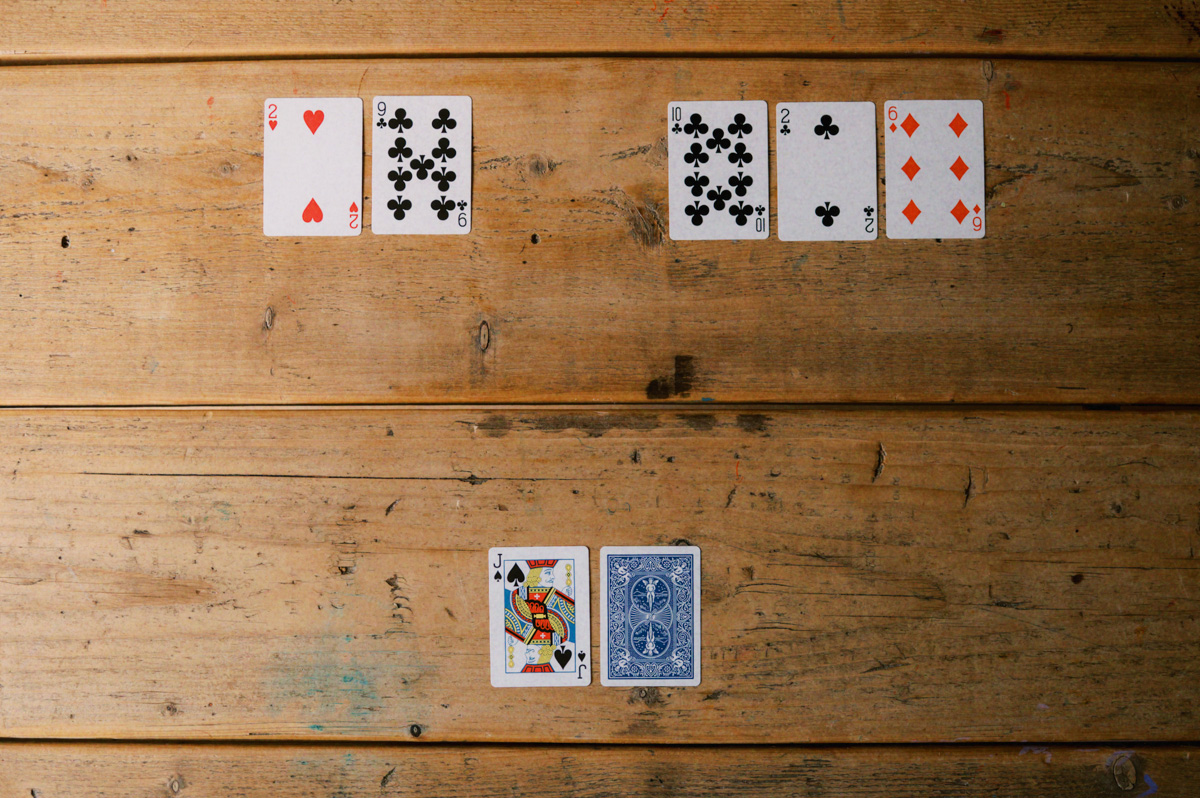
To begin with, play short games where winning and losing happen interchangeably and regularly. This way you can work on winning and losing throughout, rather than a single win or loss after a four-day Monopoly marathon. Games like Rock, Paper, Scissors or card games where you regularly need to pick up the pile throughout (either traditional card games or ones like Top Trumps, UNO, Dobble etc.).
Also, playing games like Snakes & Ladders (where the result is truly random) means you don’t have to hold back for your child to win – winning and losing will happen naturally and interchangeably. Snakes & ladders is a great one because the individual snakes are also opportunities to practice mini losses throughout the game. Both for yourself, to model losing to your child, and for them to experience losing without having lost the whole game.
There is no specific age by which children should be able to handle losing and every child is different. So, if your child is really struggling with competitive games and losing, it might simply be a case of waiting for a while and trusting in their development before coming back to it.
Some of these ideas come from the Good Inside podcast episode by the fantastic Dr. Becky – you can listen to the full episode here.